
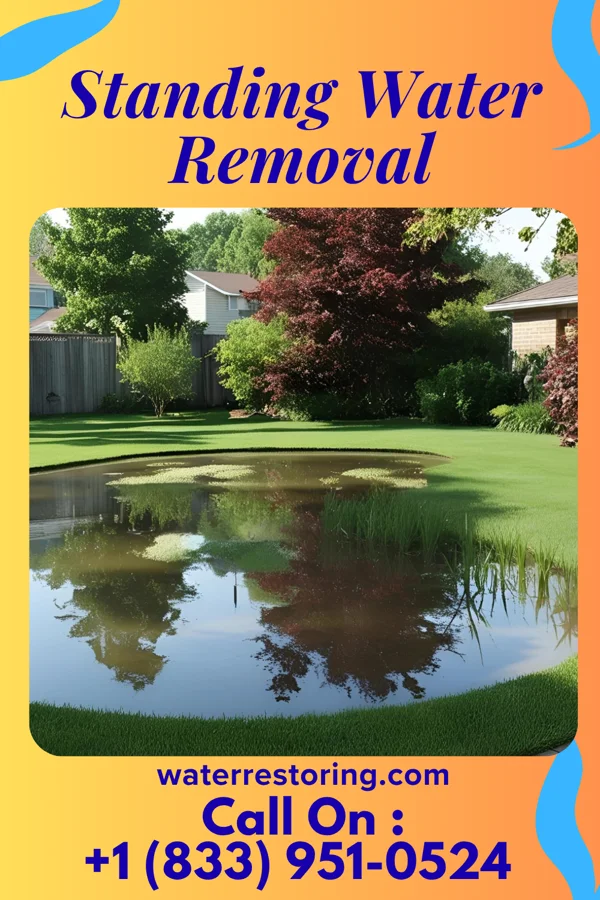
Dawson Standing Water Drivers
Water damage in Dawson tends to cluster in predictable windows because of the local climate. In Dawson, Texas, the primary water damage causes are often due to heavy rainfall and flash flooding, especially during the spring and summer months. The rural setting and lack of extensive drainage systems make properties prone to water accumulation after storms. Additionally, nearby towns like Hubbard and Coolidge can contribute to localized flooding that affects Dawson. A close second is Secondary causes include plumbing failures, such as burst pipes and leaking water heaters, which are common in older homes in the area. Poorly maintained septic systems and groundwater seepage through cracked foundations also pose significant risks. These issues are exacerbated by the region's clay soil, which can retain water for extended periods..
Dawson experiences a humid subtropical climate with frequent thunderstorms and heavy downpours, increasing the likelihood of sudden water intrusion. The area's proximity to rivers and low-lying terrain further amplifies flood risks, particularly during the spring and early summer months. This climate makes water damage a year-round concern.
Dawson experiences a humid subtropical climate with frequent thunderstorms and heavy downpours, increasing the likelihood of sudden water intrusion. The area's proximity to rivers and low-lying terrain further amplifies flood risks, particularly during the spring and early summer months. This climate makes water damage a year-round concern. The dominant local driver is In Dawson, Texas, the primary water damage causes are often due to heavy rainfall and flash flooding, especially during the spring and summer months. The rural setting and lack of extensive drainage systems make properties prone to water accumulation after storms. Additionally, nearby towns like Hubbard and Coolidge can contribute to localized flooding that affects Dawson., with Secondary causes include plumbing failures, such as burst pipes and leaking water heaters, which are common in older homes in the area. Poorly maintained septic systems and groundwater seepage through cracked foundations also pose significant risks. These issues are exacerbated by the region's clay soil, which can retain water for extended periods. showing up as the next most common cause. Damage builds in stages. Spread. Absorption. Microbial growth. Structural compromise. Every stage you pass through adds to the final bill.